 Baltimore Orioles Hawaiian Shirts
 Boston Red Sox Hawaiian Shirts
 Chicago Cubs Hawaiian Shirts
 Chicago White Sox Hawaiian Shirts
 Cincinnati Reds Hawaiian Shirts
 Cleveland Guardians Hawaiian Shirts
 Colorado Rockies Hawaiian Shirts
 Detroit Tigers Hawaiian Shirts
 Houston Astros Hawaiian Shirts
 Kansas City Royals Hawaiian Shirts
 Los Angeles Angels Hawaiian Shirts
 Los Angeles Dodgers Hawaiian Shirts
 Miami Marlins Hawaiian Shirts
 Milwaukee Brewers Hawaiian Shirts
 Minnesota Twins Hawaiian Shirts
 New York Mets Hawaiian Shirts
 New York Yankees Hawaiian Shirts
 Oakland Athletics Hawaiian Shirts
 Philadelphia Phillies Hawaiian Shirts
 Pittsburgh Pirates Hawaiian Shirts
 San Diego Padres Hawaiian Shirts
 San Francisco Giants Hawaiian Shirts
 Seattle Mariners Hawaiian shirts
 St. Louis Cardinals Hawaiian Shirts
 Tampa Bay Rays Hawaiian Shirts
 Texas Rangers Hawaiian Shirts
 Toronto Blue Jays Hawaiian Shirts
 Washington Nationals Hawaiian Shirts
 Arizona Diamondbacks Hawaiian Shirts
 Atlanta Braves Hawaiian Shirts
 Alabama Crimson Tide Hawaiian Shirts
 Arizona State Sun Devils Hawaiian Shirts
 Arkansas Razorbacks Hawaiian Shirts
 Army Black Knights Hawaiian Shirts
 Auburn Tigers Hawaiian Shirts
 Baylor Bears Hawaiian Shirts
 BYU Cougars Hawaiian Shirts
 California Golden Bears Hawaiian Shirts
 Clemson Tigers Hawaiian Shirts
 Coastal Carolina Chanticleers Hawaiian Shirts
 Colorado Buffaloes Hawaiian Shirts
 East Carolina Pirates Hawaiian Shirts
 Florida Gators Hawaiian Shirts
 Florida State Seminoles Hawaiian Shirts
 Georgia Bulldogs Hawaiian Shirts
 Georgia Southern Eagles Hawaiian Shirts
 Georgia Tech Yellow Jackets Hawaiian Shirts
 Gonzaga Bulldogs Hawaiian Shirts
 Illinois Fighting Illini Hawaiian Shirts
 Indiana Hoosiers Hawaiian Shirts
 Iowa Hawkeyes Hawaiian Shirts
 Iowa State Cyclones Hawaiian Shirts
 James Madison Dukes Hawaiian Shirts
 Kansas Jayhawks Hawaiian Shirts
 Kansas State Wildcats Hawaiian Shirts
 LSU Hawaiian Shirts
 Marquette Golden Eagles Hawaiian Shirts
 Miami Hurricanes Hawaiian Shirts
 Michigan State Spartans Hawaiian Shirts
 Michigan Wolverines Hawaiian Shirts
 Mississippi State Bulldogs Hawaiian Shirts
 Missouri Tigers Hawaiian Shirts
 49ers Hawaiian Shirts
 Arizona Cardinals Hawaiian Shirts
 Atlanta Falcons Hawaiian Shirts
 Baltimore Ravens Hawaiian Shirts
 Buffalo Bills Hawaiian Shirts
 Carolina Panthers Hawaiian Shirts
 Chicago Bears Hawaiian Shirts
 Cincinnati Bengals Hawaiian Shirts
 Cleveland Browns Hawaiian Shirts
 Dallas Cowboys Hawaiian Shirts
 Denver Broncos Hawaiian Shirts
 Detroit Lions Hawaiian Shirts
 Green Bay Packers Hawaiian Shirts
 Houston Texans Hawaiian Shirts
 Indianapolis Colts Hawaiian Shirts
 Jacksonville Jaguars Hawaiian Shirts
 Kansas City Chiefs Hawaiian Shirts
 Los Angeles Chargers Hawaiian Shirts
 Los Angeles Rams Hawaiian Shirts
 Miami Dolphins Hawaiian Shirts
 Minnesota Vikings Hawaiian Shirts
 New England Patriots Hawaiian Shirts
 New Orleans Saints Hawaiian Shirts
 New York Giants Hawaiian Shirts
 New York Jets Hawaiian Shirts
 Philadelphia Eagles Hawaiian Shirts
 Raiders Hawaiian Shirts
 Seattle Seahawks Hawaiian Shirts
 Steelers Hawaiian Shirts
 Tampa Bay Buccaneers Hawaiian Shirts
 Tennessee Titans Hawaiian Shirts
 Washington Commanders Hawaiian Shirts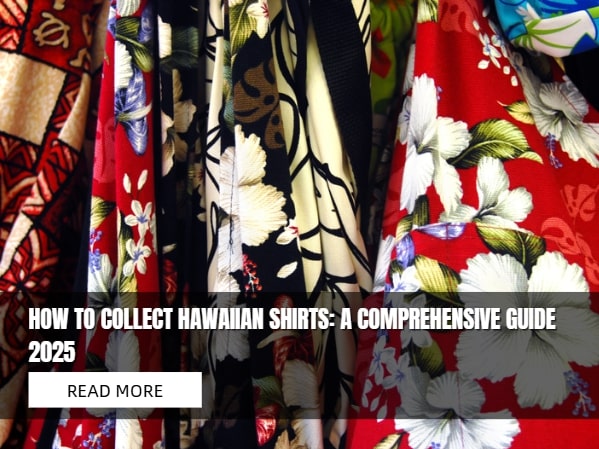
Collecting Hawaiian shirts can start with a single print you love and gradually develop into a collection built around particular eras, brands, fabrics, artists, themes or styles.
You do not need to begin with rare or expensive vintage pieces. A good Hawaiian shirt collection is defined by a clear purpose and your own interests rather than simply the number or price of the shirts you own.
This guide explains how to collect Hawaiian shirts, what to look for before buying, how to evaluate vintage pieces and how to organize and care for your collection.
1. Decide What Kind of Hawaiian Shirts You Want to Collect
Before buying more shirts, decide what makes a piece interesting enough to belong in your collection.
Possible collection themes include:
- Vintage Aloha shirts
- Specific decades or eras
- Particular Hawaiian shirt brands
- Rayon shirts
- Made-in-Hawaii garments
- Floral and botanical prints
- Scenic Hawaiian prints
- Ocean and tropical themes
- Retro and novelty prints
- Sports-inspired Hawaiian shirts
A defined focus makes it easier to decide what to buy and prevents your collection from becoming a random accumulation of similar shirts.
2. Learn the History of Aloha Shirts
Understanding Aloha shirt history makes collecting more meaningful and can help you recognize how fabrics, silhouettes, artwork and construction evolved.
Study changes in:
- Fabric
- Printing techniques
- Collars
- Buttons
- Labels
- Construction
- Popular artwork
- Manufacturing locations
Historical knowledge becomes especially important when your collection moves from contemporary shirts into vintage garments.
3. Learn How to Identify Vintage Hawaiian Shirts
If vintage shirts are part of your collecting goal, learn authentication before spending significant amounts of money.
Do not judge age from tropical artwork alone. Examine labels, fabric, buttons, buttonholes, collar shape, seams, pocket matching, printing and condition together.
Use our detailed guide on how to identify vintage Hawaiian shirts as a checklist when evaluating older pieces.
4. Choose a Collection Focus
Once you understand the category, narrow your collecting strategy further.
Collect by Era
You might concentrate on a particular period and study how Hawaiian shirts from that era were constructed and designed.
Collect by Brand
Some collectors follow particular makers and document changes in their labels, prints and styles over time.
Our overview of Hawaiian shirt brands can provide a starting point for researching different names.
Collect by Fabric
A collection can focus on rayon, cotton or another material. Fabric-focused collecting makes differences in texture, drape and printing particularly easy to compare.
See what Hawaiian shirts are made of to understand the major fabric types.
Collect by Print or Theme
You can also build a visually coherent collection around florals, botanicals, scenic prints, ocean imagery, retro graphics or another subject that interests you.
5. Know What Makes a Hawaiian Shirt Collectible
Collectibility is not determined by one feature.
Factors that may influence collector interest include:
- Age
- Brand or maker
- Fabric
- Print and artwork
- Rarity
- Construction quality
- Condition
- Documented history or provenance
- Demand among collectors
A rare cotton shirt with unusual artwork can be more interesting than a common rayon shirt, so avoid treating simple rules such as “rayon equals valuable” as universal.
6. Evaluate Condition Before Buying
Condition matters both for wearability and collecting.
Inspect:
- Collar wear
- Underarm discoloration
- Stains
- Fading
- Holes and tears
- Loose seams
- Missing or replaced buttons
- Damaged labels
- Repairs
- Fabric weakness
- Odor or signs of poor storage
Some wear is normal on older clothing. The important question is whether the condition is accurately represented and acceptable for your collecting goals.
7. Check Measurements, Not Just the Size Tag
Vintage sizing does not necessarily correspond with modern sizing.
Before buying a shirt you intend to wear, compare actual garment measurements rather than relying only on S, M, L or XL labels.
Useful measurements include:
- Pit to pit
- Shoulder width
- Shirt length
- Sleeve length
- Bottom width
Measurements are also useful when documenting a collection, even when you do not intend to wear every piece.
8. Research Before Paying a Premium
When a seller describes a shirt as rare, vintage or highly collectible, verify as much information as possible.
Compare the garment with documented examples and research:
- Brand history
- Label variations
- Approximate production period
- Fabric
- Construction
- Comparable shirts
- Condition
Be especially cautious when a high asking price depends entirely on an unsupported claim about age or rarity.
9. Do Not Confuse Price With Collectibility
An expensive Hawaiian shirt is not automatically rare, historically significant or desirable to collectors.
Likewise, an inexpensive shirt can still be an interesting addition if it fills a gap in your collection or has a print, fabric or construction detail you enjoy.
Build knowledge first and let purchasing decisions follow.
10. Document Every Shirt You Collect
Documentation becomes increasingly useful as a collection grows.
Create a simple record for each shirt containing:
- Brand
- Approximate era
- Fabric
- Manufacturing location when known
- Measurements
- Condition
- Purchase date
- Purchase source
- Price paid
- Known history
- Photographs
Photograph the front, back, label, buttons, collar, pocket and any unusual construction details.
11. Learn From Your Collection
Place similar shirts side by side and compare them.
Physical comparison can make differences in rayon, cotton, collar construction, buttons, printing and sewing easier to recognize than studying photographs alone.
Over time, these comparisons can improve your ability to notice unusual or inconsistent details when evaluating another shirt.
12. Store Your Hawaiian Shirt Collection Properly
Collecting does not end after purchase. Storage can have a major effect on long-term condition.
Keep shirts clean and completely dry before storing them. Protect them from prolonged direct sunlight, excessive moisture and unsuitable storage conditions.
Avoid overcrowding garments or placing unnecessary pressure on delicate vintage fabric.
For washable contemporary shirts, our Hawaiian shirt care guide explains washing, drying, wrinkle removal and general care. For valuable or fragile vintage pieces, consider their specific age, fabric and condition before applying standard modern garment-care methods.
Vintage vs Modern Hawaiian Shirt Collecting
Not every collection needs to focus exclusively on vintage clothing.
Vintage collecting emphasizes history, authenticity, construction, rarity and preservation. Contemporary collecting can focus more heavily on artwork, personal interests, seasonal themes or modern variations of the Hawaiian shirt.
Some collections combine both.
| Vintage Collecting | Modern Collecting |
|---|---|
| Historical interest | Current artwork and themes |
| Authentication important | Authentication usually less important |
| Condition varies | Usually easier to find new condition |
| Can involve rarity | Often easier to replace |
| Requires more research | Generally easier for beginners |
Can You Start a Collection With Modern Hawaiian Shirts?
Absolutely. A collection is defined by the collector, not by an arbitrary age requirement.
If you enjoy contemporary tropical artwork, you can start by choosing shirts around a consistent theme, color palette or subject.
For example, our Hawaiian Shirts collection includes modern tropical and themed designs that can provide inspiration for building a contemporary collection.
Common Hawaiian Shirt Collecting Mistakes
- Buying too many shirts before choosing a focus
- Assuming every old-looking shirt is vintage
- Trusting seller descriptions without research
- Using a single feature to authenticate a shirt
- Ignoring condition
- Buying by size tag instead of measurements
- Assuming expensive automatically means collectible
- Failing to document purchases
- Using inappropriate cleaning methods on fragile vintage garments
- Storing shirts in unsuitable conditions
Hawaiian Shirt Collecting FAQs
Are Hawaiian shirts collectible?
Yes. Hawaiian and Aloha shirts are collected for their history, artwork, fabrics, brands, construction and cultural significance. Collector interest varies widely by garment.
Do Hawaiian shirts have to be vintage to be collectible?
No. Some people collect historical Aloha shirts, while others build collections around contemporary artwork, brands, sports themes or other personal interests.
What should a beginner Hawaiian shirt collector look for?
Start with shirts that fit a clearly defined interest. Learn about fabric, construction, condition and brands before focusing heavily on rarity or price.
What makes a vintage Hawaiian shirt valuable?
Potential factors include age, rarity, brand, fabric, print, construction, condition, provenance and collector demand. No single characteristic determines value.
Should I wear collectible Hawaiian shirts?
That depends on their condition and your collecting goals. Many collectors enjoy wearing suitable pieces, while particularly fragile or historically important garments may require more careful preservation.
How should I organize a Hawaiian shirt collection?
You can organize by era, brand, fabric, theme, color or acquisition date. Maintaining photographs and basic records makes a larger collection much easier to manage.
Start Building Your Hawaiian Shirt Collection
The best way to collect Hawaiian shirts is to begin with a clear interest and build knowledge alongside the collection. Learn how fabrics, labels, construction and artwork differ, research pieces before paying a premium and document what you acquire.
If vintage Aloha shirts interest you most, start with our vintage Hawaiian shirt identification guide. If contemporary prints are more your style, browse our Hawaiian Shirts collection for current designs.